
Ghana hosts reparations talks after UN slavery vote
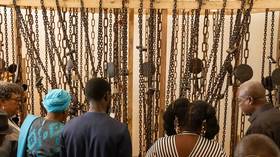
Ghana has convened a global conference on reparatory justice months after the United Nations backed a landmark resolution recognizing the trafficking and enslavement of Africans as the gravest crime against humanity.
The meeting in Accra is seeking to move the reparations debate beyond symbolism, as African and Caribbean leaders press for apologies, restitution, compensation, the return of cultural artifacts, and institutional reforms linked to the enduring legacy of slavery and colonial rule.
Presidents from Senegal, Namibia, Liberia and Sao Tome and Principe, the prime minister of Barbados, Equatorial Guinea’s vice prime minister, Algeria’s parliamentary speaker and ministers from more than 80 countries were attending, according to officials.
In an opening address on Thursday, Ghanaian President John Dramani Mahama called for a new phase of global engagement, saying the world must move beyond acknowledging historical injustices toward action, truth-telling and reconciliation.

African and Caribbean states have long pushed for reparations over slavery, colonial exploitation and the removal of cultural property. The UN General Assembly adopted a Ghana-led resolution on March 25, urging countries to consider formal apologies, educational programs and contributions to a reparations fund.
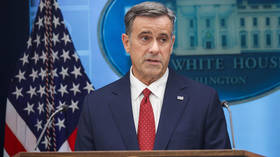
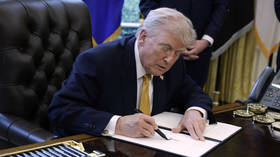
The reparations push continues to face opposition from some Western governments. At the UN vote, the UK and several European Union members abstained. The US (along with Israel and Argentina) rejected the resolution, arguing that it does not recognize a legal right to reparations for historical wrongs that were not illegal under international law at the time they occurred.
French President Emmanuel Macron, addressing the conference by video, said reparations must not be reduced to financial compensation or “a fake cheque” that “would end a story or finish it.” Last month, his government backed the symbolic repeal of the Code Noir, the royal decrees that governed slavery in French colonies.

On Thursday, Mahama said the transatlantic slave trade’s consequences “continue to shape societies, institutions, and inequalities across generations.” He announced the establishment of three international panels to examine legal pathways for redress as part of the next phase of the campaign.
“Future generations will judge us not by the resolutions we adopted, but by the progress we achieved,” Mahama noted.
The conference is expected to close on Friday with a Juneteenth observance at Christiansborg Castle in Osu, a former slave-trade site in Accra. Juneteenth marks June 19, 1865, when enslaved people in Texas were told they were free, more than two years after then-President Abraham Lincoln’s Emancipation Proclamation. The holiday later came to commemorate the end of slavery in the United States, although the institution would continue until the 1880s in pre-independence Cuba and Brazil.