US waging ‘genocide without bombs’ against Cuba – South African cleric
South African Anglican priest and anti-apartheid activist Michael Lapsley has accused the US of inflicting “a genocide without bombs” on Cuba through sanctions that he says are causing severe shortages and worsening the island’s humanitarian crisis.
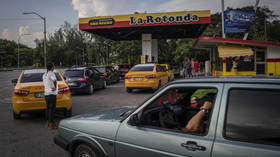
Lapsley made the allegation after returning from Havana, where he said he observed dire conditions and few vehicles on the roads because of severe fuel shortages. He said Cubans endure prolonged electricity outages that prevent water from being pumped, disrupt factories and hamper the production of medicines.
”The United States is actively strangling Cuba. This is a collective punishment of a whole country since the triumph of the revolution. However, things have become immeasurably worse in the last six months,” he told IOL.
Washington has maintained an embargo on Cuba since 1962.
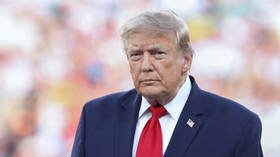
In January, US President Donald Trump declared a national emergency over Cuba and moved to restrict its fuel supplies, blocking oil tankers bound for the island and threatening tariffs against countries that continued supplying it. Cuban Energy and Mines Minister Vicente de la O Levy said in May that the country had run out of diesel and fuel oil, leaving it dependent on gas from its own wells. Island-wide blackouts have been reported since March.
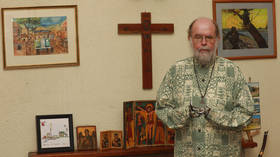
Lapsley travelled to Havana earlier this month to attend a colloquium marking the centenary of the birth of Fidel Castro, who led the 1959 Cuban Revolution and ruled the island for almost half a century. Castro died in 2016.
Delegates from 63 countries attended the event, including representatives of South Africa’s National Education, Health and Allied Workers’ Union (Nehawu), the South African Communist Party (SACP) and former minister Nkosazana Dlamini-Zuma.
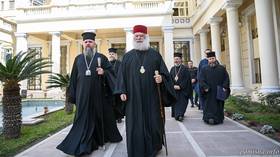
During an address to the gathering, Lapsley called for an end to the US blockade of Cuba. Joel Ortega Dopico, president of the Cuban Council of Churches and the Cuban Bible Society, told Lapsley that Washington’s restrictions were making it difficult even for countries seeking to assist Cuba.
“They don’t allow diesel or oil to get into the country. It’s very difficult. Support from other countries, even from countries that want to support Cuba, is very hard. They are making it hard for everyone to help Cuba right now,” Dopico said, adding that the restrictions were hitting the most vulnerable hardest, with some Cuban families cutting their food intake from three meals a day to one.
“Access to basic foods like eggs, milk and rice is very hard in Cuba, because if you don’t have diesel, if you don’t have technology, if you don’t have access to that, you cannot produce,” he said.
Lapsley said Cubans had shown resilience and innovation but now needed international support. “From the beginning, Cuba has fought for other countries, such as South Africa, Angola and Namibia. Now, the world needs to come to their support. Governments, solidarity movements and faith organisations need to come together so Cuba can survive. But they also need to come together to oppose what the United States is doing,” he stressed.
Lapsley is honorary life president of the Friends of Cuba Society, which he helped establish ahead of South Africa’s first democratic election in 1994. He also brought medical supplies to Cuba during the visit.