Trump to place weapons-grade plutonium in private hands
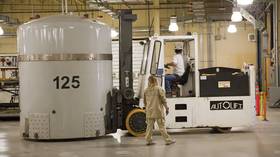
The US Department of Energy has selected a number of private companies as potential recipients of weapons-grade plutonium, including one where Energy Secretary Chris Wright served on the board before joining the administration of President Donald Trump.
The US government holds roughly 50 metric tons of fissile material recovered from dismantled nuclear weapons at highly secure sites. The Trump administration said last year that it intended to expand the Surplus Plutonium Utilization Program by allowing private companies to manufacture energy-dense fuel for advanced small reactors, with 20 tons of plutonium earmarked for transfer.
On Tuesday, the Department of Energy named five firms chosen for “advanced negotiations” under the plan, among them Oklo Inc., a California-based small-reactor developer that Wright helped run before his confirmation as energy secretary in February 2025.
Oklo said it would use US plutonium in partnership with the European company newcleo. CEO Jacob DeWitte said the initiative “creates a pathway to use existing surplus material as bridge fuel for advanced reactors to bring more reactors online sooner.”
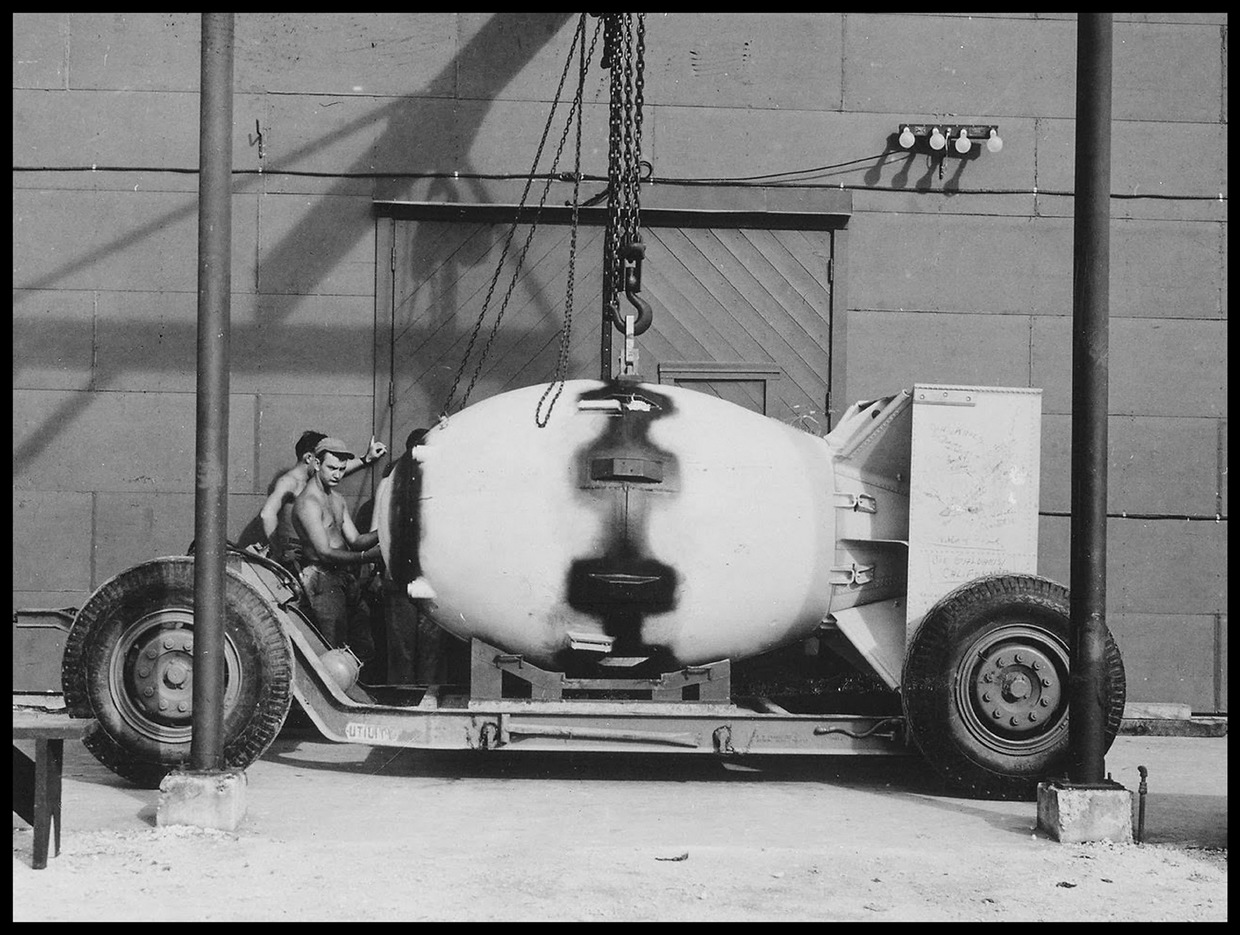
The other companies named by the government are Exodys Energy, SHINE Technologies, Standard Nuclear, and Flibe Energy. The Department of Energy said access to plutonium supplies would help private partners attract investment.
Plutonium transfers will make Trump’s ‘rich buddies happy’
The plan to place weapons-grade plutonium – a dangerous material requiring strict handling and security controls – in private hands has drawn opposition from some US lawmakers, who have warned of safety and proliferation risks.

“Trump wants to take enough plutonium for 2,000 atomic bombs and hand it over to private industry just to make his rich buddies happy,” Senator Edward Markey, a Democrat from Massachusetts, said. “He might as well sell nuclear weapons at Costco. If this material shows up in Iran, we know who’s to blame.”
Critics also argue that the program encourages other countries to view plutonium in spent nuclear fuel as a valuable resource rather than hazardous waste, creating incentives to extract and stockpile it.
Since 2025, the US has attacked Iran twice over the claim that Tehran cannot be trusted to run a civilian nuclear industry and not try to weaponize it. The crisis remains unresolved, while the global economic fallout from disrupted maritime traffic in the Persian Gulf continues to mount.
US hooked on foreign nuclear fuel
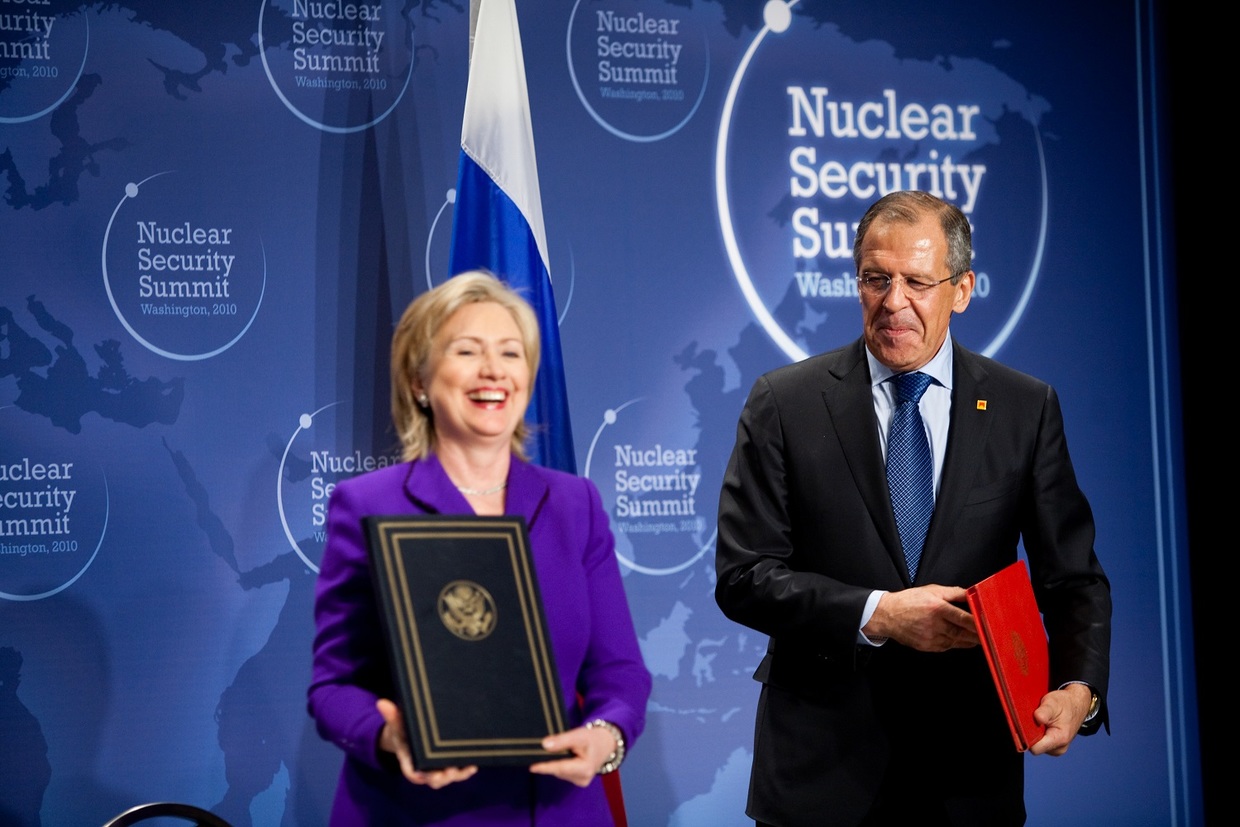
The peaceful reuse of Cold War-era fissile material was once a central element of US-Russian cooperation. Under the HEU-LEU program, Russian weapons-grade uranium sufficient for around 20,000 warheads was converted into reactor fuel before the agreement expired in 2013.
A similar plutonium arrangement was signed in 2000, but was suspended in 2016 after being roughly 70% completed, as bilateral ties deteriorated following the US-backed armed coup in Ukraine.
In 2024, the US banned imports of Russian low-enriched uranium, presenting the move as part of its sanctions policy and an effort to revive America’s domestic enrichment sector, which had weakened during decades of abundant imported fuel, including under the HEU-LEU program. However, waivers are available until 2028.
In January, the Department of Energy announced plans to invest $2.7 billion over ten years in enrichment services.