Russia offers oil relief as US blocks Iran exports
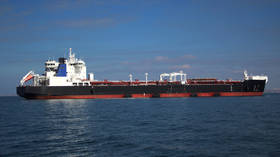
Russia can plug any oil supply gap triggered by the Middle East conflict and help China and other countries withstand US “aggressive adventures,” Russian Foreign Minister Sergey Lavrov has said, signaling Moscow is ready to offset shortages if Iranian exports are squeezed.
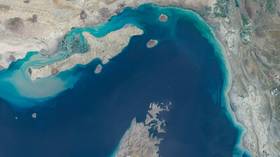
US President Donald Trump announced the blockade of the Strait of Hormuz, a critical route for roughly 20% of global oil, on Sunday after Pakistani-mediated talks failed to produce a peace deal with Iran. Trump had previously failed to rally European NATO members to help secure Hormuz, which Iran closed to “enemy ships” in response to the US-Israeli bombing campaign launched on February 28.
Iran has since demanded recognition of its “sovereignty” over the waterway and the right to impose tolls.
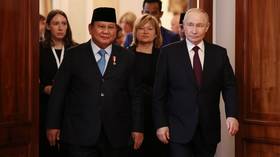
Speaking to reporters on Wednesday during his two-day official visit to China, Lavrov said that Russia “can certainly make up for resource shortages faced by China and other countries” willing to work with Moscow “on an equal and mutually beneficial basis.”
He said the US and Israel targeted Iran in part over “oil markets,” adding Washington is now trying to shape them while backing Israel.
“Russia and China, thank God, have all the necessary capabilities – already in use, in reserve and planned – to avoid dependence on such aggressive adventures that undermine the global economy and energy markets,” he said.
Lavrov’s remarks came after US Treasury Secretary Scott Bessent warned on Tuesday that China is “not going to be able to get their oil… not Iranian oil,” as Washington moves to choke off Tehran’s crude flows through a naval blockade in the Strait of Hormuz. He described China as an “unreliable global partner” for stockpiling oil and limiting exports during the conflict.
He added that the blockade would ensure no Chinese or other ships are allowed to pass through the vital waterway, noting that China had been buying more than 90% of Iranian oil, accounting for about 8% of its annual imports.
The move comes as US forces ramp up enforcement in the Strait of Hormuz, deploying more than 10,000 troops and around a dozen naval vessels to halt Iran-linked shipments after talks collapsed.
The US and Iran agreed to a two-week ceasefire last week, raising hopes for an end to the conflict, which has disrupted global trade and driven up energy prices, but both sides have since traded accusations over unacceptable terms.