Dozens of new Ebola fatalities in disease outbreak epicenter
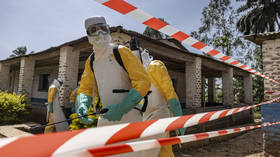
Ebola cases in eastern Democratic Republic of the Congo (DR Congo) have climbed to 782, with 181 deaths recorded, the Health Ministry has said, as the country battles a fast-spreading outbreak in a conflict-torn region.
The ministry reported 72 new confirmed cases and 29 additional deaths on Sunday in its latest update on the Bundibugyo Ebola outbreak, bringing the case fatality rate from 21% to 23.1%. It said 40 people have recovered since the outbreak was declared on May 15. According to the World Health Organization, there is no approved vaccine or specific treatment for the Bundibugyo species of Ebola virus, although work is underway to test potential candidates.
Confirmed cases have now been reported in 31 health zones across three eastern provinces, including two newly affected zones as of June 13. The total includes 20 health zones in Ituri, ten in North Kivu, and one in South Kivu.
The authorities said the high number of detected cases also reflects more active community surveillance, adding that public vigilance is “more necessary than ever.”
The WHO has said the response is taking place in a challenging environment marked by insecurity, a humanitarian crisis, and high population and trade movements.
The Congolese government said on Monday that it received a second batch of 16.5 tons of medical and logistical supplies from the WHO to support field teams in affected areas.
Ituri, North Kivu, and South Kivu have been affected for years by attacks by armed groups and fighting that has triggered mass displacement of people from their homes. The UN humanitarian office said nearly 1 million people have been displaced by conflict in Ituri alone, making contact tracing harder as people flee attacks or move frequently through remote areas.
The DR Congo’s mineral-rich east has been plagued by decades of violence, with dozens of armed groups, including M23, fighting Congolese forces for power and control of resources such as gold and coltan. Clashes escalated in early 2025, killing thousands and forcing large-scale displacement, according to UN agencies. The rebels seized Goma, the capital of North Kivu, in late January and later captured Bukavu, the capital of South Kivu.
Ceasefire efforts have repeatedly faltered, including Qatar-facilitated talks in Doha. Congolese authorities have long accused Rwanda of supporting the militants, allegations backed by a UN panel of experts. Kigali has denied the claims. The accusations have strained Rwanda’s relations with Western partners, including Belgium. In March, Kigali severed diplomatic ties with Brussels, accusing it of harboring “neo-colonial delusions” and interfering in the conflict.
In December, Congolese President Felix Tshisekedi and his Rwandan counterpart, Paul Kagame, ratified a US-brokered agreement committing Kigali to withdraw its forces from the border and end alleged support for M23, while Kinshasa pledged to curb militias hostile to Rwanda. US President Donald Trump has said the pact, which includes calls for a joint security mechanism, gives Washington rights to local mineral wealth. The fighting has continued despite Trump’s claims that he ended the decades-long conflict.
DR Congo has recorded repeated Ebola outbreaks since the virus was first identified in the country in 1976. The latest is the Central African nation’s 17th outbreak.
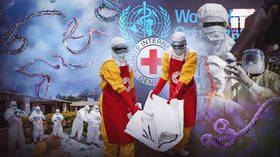
The disease can cause fever, fatigue, muscle pain, headache, vomiting, diarrhea, rash, kidney and liver problems, and in some cases, internal and external bleeding.
More than 2,200 people died in the 2018-2020 Ebola outbreak in eastern DR Congo, which mainly affected North Kivu and Ituri and became the second-deadliest Ebola epidemic on record, according to figures published by the WHO.